April 3, 2026
Why Smart Businesses Still Trust Real People for Security Today
There is something oddly comforting about seeing a real person standing guard. Cameras blink, alarms beep, but a trained human presence just hits different. Maybe it is the way they notice small things, or how they respond in real time without waiting for a system to catch up. In a world that is leaning hard into automation, manned guarding still feels grounded, practical, and honestly a bit underrated.
If you have ever walked past a secured building and spotted a professional guard at the entrance, you already know the vibe. It signals order, safety, and awareness without saying a word. And behind that simple presence is a whole system of training, licensing, and real world experience that most people do not even think about.
What Manned Guarding Really Means
Manned guarding is not just about standing at a door or walking a perimeter. It is about active protection. Guards are trained to assess situations, manage risks, and step in when something feels off. They are the eyes and ears that no camera can fully replace.
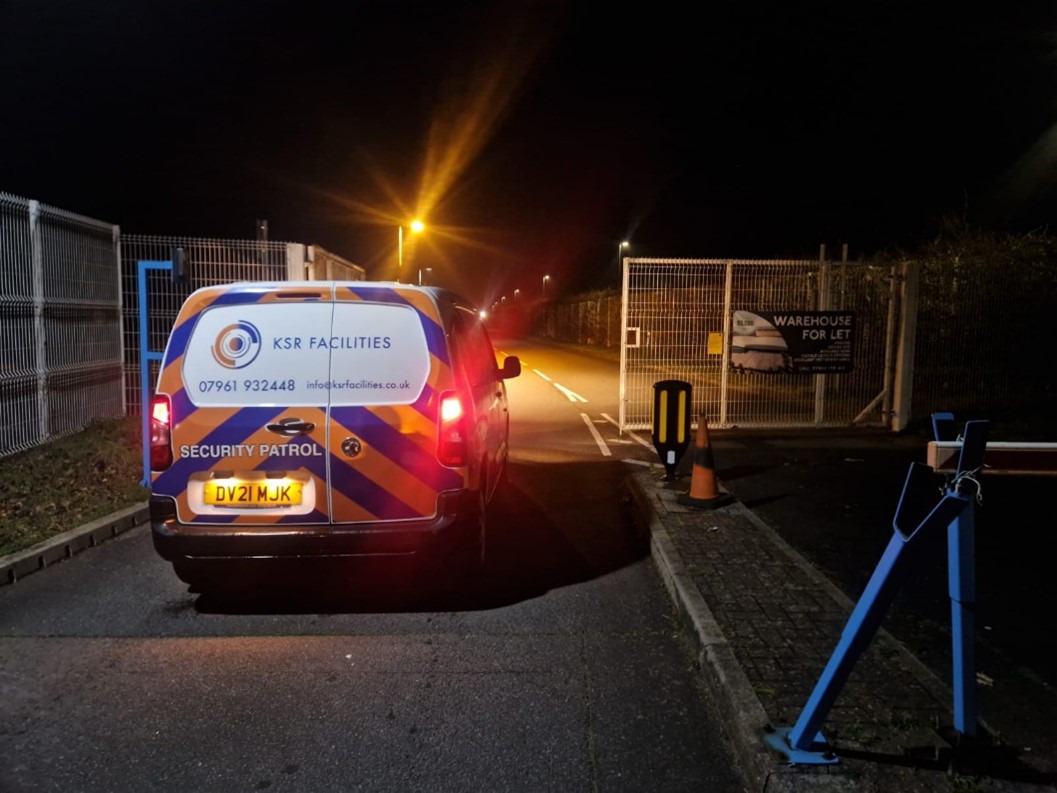
Companies like KSR Facilities focus on blending human judgment with structured processes. That means guards are not just reacting randomly. They follow clear protocols, stay alert during long shifts, and handle everything from access control to emergency response.
It is not flashy work, but it is steady and essential. And honestly, that is what makes it valuable.
Why Businesses Still Rely on Human Security
Technology has come a long way, no doubt. But it still has limits. Cameras can miss angles. Sensors can fail. Systems can glitch at the worst possible moment.
A trained guard, on the other hand, adapts. They read body language, notice patterns, and pick up on things that are hard to program into software. That human instinct is what keeps many businesses from relying fully on tech alone.
There is also the deterrent factor. A visible guard can stop trouble before it even starts. People think twice when they know someone is watching in real time, not just recording for later.
The Quiet Role of Training and Licensing
One thing that often gets overlooked is how much training goes into professional guarding. Licensed guards are not just hired and placed on site. They go through structured programs that cover safety procedures, communication skills, and conflict management.
This matters more than people think. A poorly trained guard can create confusion in a tense situation. A well trained one can de escalate, guide people calmly, and keep things under control.
It is the difference between reacting and responding. And in security, that gap can be huge.
Everyday Situations Where Guards Make a Difference
You might not notice it at first, but guards are involved in a lot of everyday scenarios. Office buildings, construction sites, retail stores, events, and even residential areas rely on them.
Think about a busy workplace where people come and go all day. A guard manages access, checks credentials, and keeps things organized. Or a construction site after hours, where equipment needs protection. A guard patrols, checks locks, and ensures nothing is out of place.
Then there are properties that sit empty for a while. These spaces are surprisingly vulnerable. Having regular vacant property inspections & security in place can prevent damage, trespassing, or worse. It is one of those things you do not think about until something goes wrong.
Tips for Choosing the Right Guarding Approach
If you are thinking about security for your space, it helps to keep things simple and practical. Here are a few things to consider without overcomplicating it.
First, understand your environment. A quiet office needs a different approach than a busy retail store. Think about what actually happens in your space day to day.
Second, focus on consistency. Security is not about one big action. It is about steady, reliable presence. The same routines, the same checks, done properly every time.
Third, look at communication. A good guard is not just alert but also approachable. They should be able to talk to staff, guide visitors, and handle situations without escalating tension.
And finally, do not ignore the quieter risks. Empty buildings, off hours activity, or low traffic zones can become weak points. That is where something like vacant property inspections & security quietly does its job in the background, keeping everything in check without much noise.
The Human Element That Still Matters
There is a reason manned guarding has not faded away, even with all the tech available today. It brings something real to the table. A sense of awareness that feels active, not passive.
People respond differently when they know someone is physically present. It changes behavior, reduces risk, and creates a layer of trust that machines alone cannot fully build.
And from a practical standpoint, it just works. It fills the gaps that technology leaves behind and adds a layer of flexibility that systems struggle to match.
Wrapping It Up
Security does not always need to be complicated. Sometimes it is about getting the basics right and sticking to them. A trained guard, clear routines, and a bit of awareness can go a long way.
If anything, the takeaway here is simple. Do not overlook the value of real people in a world full of automated solutions. There is still something powerful about human presence, especially when it comes to keeping spaces safe.
It is not about choosing between people and technology. It is about knowing where each one fits. And when it comes to day to day protection, having someone there, paying attention, still makes all the difference.

Leave a Reply