March 30, 2026
How to Talk to Your Kids About Home Safety without Scaring Them
Every parent wants their children to feel safe at home. At the same time, you also want them to understand basic safety rules so they know what to do if something unusual happens. Finding the right balance between awareness and fear can sometimes feel difficult.
If the conversation sounds too serious, children may become anxious. If it is too casual, they might not take the message seriously. The goal is to help your child understand safety calmly and reassuringly.
When handled thoughtfully, these conversations can actually build confidence rather than worry. Children learn that safety is simply part of everyday life, much like learning how to cross the road carefully or look both ways before riding a bike.
Talking to Kids About Home Safety Without Creating Fear
Start With Calm and Simple Conversations
The way you introduce the topic matters a lot. Children often respond to the tone you use more than the actual words. If you speak calmly and naturally, they are more likely to feel relaxed while listening. Instead of talking about dangers in dramatic terms, focus on everyday safety habits. For example, you might explain that certain rules help everyone in the house stay safe and comfortable.
You can begin with simple ideas such as locking the door when leaving the house or making sure windows are closed at night. These small examples help children understand that safety is about routines rather than something frightening. Keeping the conversation casual allows them to ask questions without feeling nervous.
Explain Safety as a Team Effort
Children often respond well when they feel included rather than instructed. Framing safety as something the whole family practises together can make it easier for them to understand. You might explain that everyone in the house plays a small role in keeping the home secure. Parents lock doors, older children help check windows, and everyone pays attention to who is at the door.
When safety becomes a shared responsibility, children feel empowered rather than worried. They learn that their actions can help the household run smoothly. This approach also encourages children to speak up if they notice something unusual, such as a door left open or an unfamiliar person near the property.
Teach Practical Safety Rules in Everyday Situations
Children learn best through simple and practical examples. Rather than giving long explanations, it is often more effective to introduce safety rules during everyday activities. For instance, when the doorbell rings, you can explain why it is important to check who is outside before opening the door. If you are leaving the house, you might show them how you lock the door and explain why that step matters.
Over time, these actions become normal routines rather than strict rules. Children begin to understand that these habits are simply part of caring for the home. You can also explain what they should do if they are ever unsure about a situation. Knowing they can come to you or another trusted adult helps children feel supported.
Use Technology as a Helpful Tool
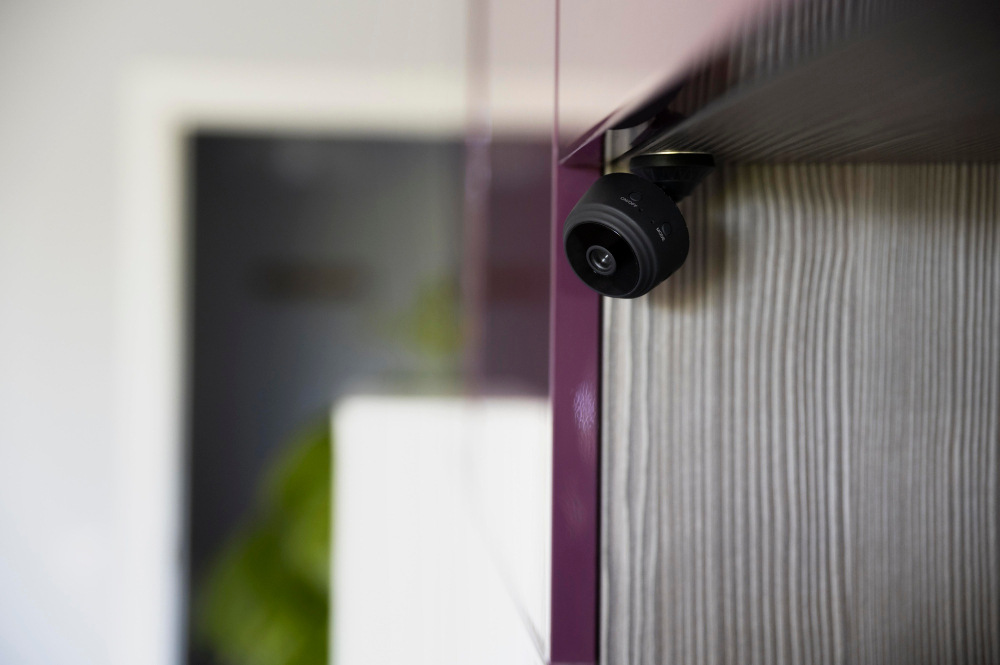
Modern homes often include security devices such as cameras or door sensors. When explaining these tools to children, it helps to present them as helpful helpers rather than something meant to catch bad people. For example, you might explain that a household security camera helps you see who is at the door when you are busy or when a delivery arrives. This makes it easier to know what is happening outside without needing to step out immediately.
Children tend to accept technology easily when it is introduced as something normal. Presenting these tools in a calm way prevents them from feeling worried about why they are there. It simply becomes another part of how the household stays organised and aware of its surroundings.
Encourage Questions and Open Discussion
Children often have questions about safety, especially if they hear conversations or news stories about crime. Creating an environment where they feel comfortable asking questions can make a big difference. Instead of dismissing their concerns, listen to what they want to know and answer honestly in simple terms. You do not need to provide complicated explanations. A calm and clear response is usually enough.
Encouraging discussion helps children process information healthily. It also reassures them that safety is something adults are already managing carefully. When children know they can talk openly about their worries, they are less likely to imagine worst-case scenarios.
Keep Safety Lessons Positive and Practical
While it is important to explain safety, focusing only on risks can make children uneasy. A better approach is to emphasise the positive side of being prepared. You can highlight the benefits of safety habits by explaining how they help the family feel comfortable and protected. When children see safety as a normal part of daily life, it becomes easier for them to remember the rules.
Simple reminders can also help reinforce these lessons. For example:
- Always tell a parent before opening the door to someone unfamiliar
- Let an adult know if something around the house seems unusual
- Keep doors and windows closed when playing near them
- Ask for help if you feel unsure about anything outside the home
These small guidelines are easy for children to understand and follow.
Show That Home Is Still a Safe Place
The most important message children should take away from these conversations is that their home remains a safe and comfortable place. Safety habits are not about expecting problems but about being prepared.
When parents take thoughtful steps such as improving lighting, checking locks, or arranging cctv camera installation Castleford homeowners sometimes choose, it is simply part of maintaining a secure environment.
Make Your Children Informed, Too, in a Playful Way!
Children do not need to worry about the details. What they need to know is that the adults around them are taking care of the home and making sure everyone is protected.
By keeping conversations calm, practical, and reassuring, you help children understand safety without creating fear. Over time, these lessons become normal habits that support both confidence and awareness as they grow.



Leave a Reply